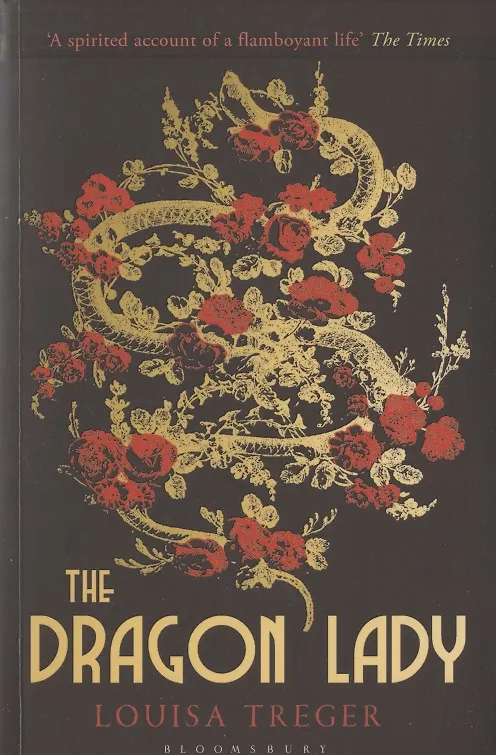
The Dragon Lady
Купили 4 человека
- Переплёт Мягкий
- Кол-во стр. 313
- Вес 219 г
- Год издания 2020
Отзывы
Описание и характеристики
From the glamorous Italian Riviera before the Great War to the Art Deco glory of Eltham Palace in the thirties, and from the secluded Scottish Highlands to segregated Rhodesia in the fifties, the narrative spans enormous cultural and social change. Lady Virginia Courtauld was a boundary-breaking, colourful and unconventional person who rejected the submissive role women were expected to play.
Ostracised by society for being a foreign divorcee at the time of Edward VIII and Mrs Simpson, Ginie and her second husband ,Stephen Courtauld, leave the confines of post-war Britain to forge a new life in Rhodesia, only to find that being progressive liberals during segregation proves mortally dangerous. Many people had reason to dislike Ginie, but who had reason enough to pull the trigger?
Deeply evocative of time and place, The Dragon Lady subtly blends fact and fiction to paint the portrait of an extraordinary woman in an era of great social and cultural change.
- Переплёт Мягкий
- Кол-во стр. 313
- Вес 219 г
- Год издания 2020
- Издательство
- Размеры в см 1.8x12.8x19.7
- ID товара 2825959
- ISBN 978-1-44-821740-3, 978-1-4482-1740-3