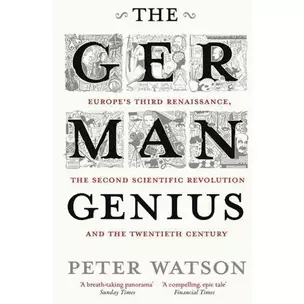
From the end of the Baroque age and the death of Bach in 1750 to the rise of Hitler in 1933, Germany was transformed from a poor relation among western nations into a dominant intellectual and cultural force more influential than France, Britain, Italy, Holland, and the United States. In the early decades of the 20th century, German artists, writers, philosophers, scientists, and engineers were leading their freshly-unified country to new and undreamed of heights, and by 1933, they had won more Nobel prizes than anyone else and more than the British and Americans combined. But this genius was cut down in its prime with the rise and subsequent fall of Adolf Hitler and his fascist Third Reich-

German Genius

Π­Ρ‚ΠΎΡ‚ Ρ‚ΠΎΠ²Π°Ρ€ закончился

НСт ΠΎΡ†Π΅Π½ΠΎΠΊ

ОписаниС ΠΈ характСристики

From the end of the Baroque age and the death of Bach in 1750 to the rise of Hitler in 1933, Germany was transformed from a poor relation among western nations into a dominant intellectual and cultural force more influential than France, Britain, Italy, Holland, and the United States. In the early decades of the 20th century, German artists, writers, philosophers, scientists, and engineers were leading their freshly-unified country to new and undreamed of heights, and by 1933, they had won more Nobel prizes than anyone else and more than the British and Americans combined. But this genius was cut down in its prime with the rise and subsequent fall of Adolf Hitler and his fascist Third Reich-a legacy of evil that has overshadowed the nation’s contributions ever since.
Yet how did the Germans achieve their pre-eminence beginning in the mid-18th century? In this fascinating cultural history, Peter Watson goes back through time to explore the origins of the German genius, how it flourished and shaped our lives, and, most importantly, to reveal how it continues to shape our world. As he convincingly demonstarates, while we may hold other European cultures in higher esteem, it was German thinking-from Bach to Nietzsche to Freud-that actually shaped modern America and Britain in ways that resonate today.
  • Π’ΠΈΠΏ ΠΎΠ±Π»ΠΎΠΆΠΊΠΈ Мягкий ΠΏΠ΅Ρ€Π΅ΠΏΠ»Ρ‘Ρ‚
  • ΠšΠΎΠ»ΠΈΡ‡Π΅ΡΡ‚Π²ΠΎ страниц 964
  • ВСс, Π³ 670
  • Π Π°Π·ΠΌΠ΅Ρ€ 4.5x12.7x19.7
  • Π˜Π·Π΄Π°Ρ‚Π΅Π»ΡŒΡΡ‚Π²ΠΎ Simon & Schuster
  • Π“ΠΎΠ΄ издания
  • ISBN 978-1-4165-2615-5
  • ID Ρ‚ΠΎΠ²Π°Ρ€Π° 2890530

ΠžΡ‚Π·Ρ‹Π²Ρ‹

ΠžΡΡ‚Π°Π²ΡŒΡ‚Π΅ ΠΎΡ‚Π·Ρ‹Π² ΠΈΒ ΠΏΠΎΠ»ΡƒΡ‡ΠΈΡ‚Π΅ бонусы

ΠžΡΡ‚Π°Π²ΡŒΡ‚Π΅ ΠΏΠ΅Ρ€Π²Ρ‹ΠΉ ΠΎΡ‚Π·Ρ‹Π² ΠΈΒ ΠΏΠΎΠ»ΡƒΡ‡ΠΈΡ‚Π΅ Π·Π°Β Π½Π΅Π³ΠΎ бонусы.

Π­Ρ‚ΠΎ ΠΏΠΎΠΌΠΎΠΆΠ΅Ρ‚ Π΄Ρ€ΡƒΠ³ΠΈΠΌ покупатСлям ΡΠ΄Π΅Π»Π°Ρ‚ΡŒ ΠΏΡ€Π°Π²ΠΈΠ»ΡŒΠ½Ρ‹ΠΉ Π²Ρ‹Π±ΠΎΡ€.

Книга «German Genius» Π΅ΡΡ‚ΡŒ Π² Π½Π°Π»ΠΈΡ‡ΠΈΠΈ Π² ΠΈΠ½Ρ‚Π΅Ρ€Π½Π΅Ρ‚-ΠΌΠ°Π³Π°Π·ΠΈΠ½Π΅ «Π§ΠΈΡ‚Π°ΠΉ-Π³ΠΎΡ€ΠΎΠ΄» ΠΏΠΎ ΠΏΡ€ΠΈΠ²Π»Π΅ΠΊΠ°Ρ‚Π΅Π»ΡŒΠ½ΠΎΠΉ Ρ†Π΅Π½Π΅. Если Π²Ρ‹ Π½Π°Ρ…ΠΎΠ΄ΠΈΡ‚Π΅ΡΡŒ Π² ΠœΠΎΡΠΊΠ²Π΅, Π‘Π°Π½ΠΊΡ‚-ΠŸΠ΅Ρ‚Π΅Ρ€Π±ΡƒΡ€Π³Π΅, НиТнСм НовгородС, Казани, Π•ΠΊΠ°Ρ‚Π΅Ρ€ΠΈΠ½Π±ΡƒΡ€Π³Π΅, РостовС-Π½Π°-Π”ΠΎΠ½Ρƒ ΠΈΠ»ΠΈ любом Π΄Ρ€ΡƒΠ³ΠΎΠΌ Ρ€Π΅Π³ΠΈΠΎΠ½Π΅ России, Π²Ρ‹ ΠΌΠΎΠΆΠ΅Ρ‚Π΅ ΠΎΡ„ΠΎΡ€ΠΌΠΈΡ‚ΡŒ Π·Π°ΠΊΠ°Π· Π½Π° ΠΊΠ½ΠΈΠ³Ρƒ Peter Watson «German Genius» ΠΈ Π²Ρ‹Π±Ρ€Π°Ρ‚ΡŒ ΡƒΠ΄ΠΎΠ±Π½Ρ‹ΠΉ способ Π΅Π³ΠΎ получСния: самовывоз, доставка ΠΊΡƒΡ€ΡŒΠ΅Ρ€ΠΎΠΌ ΠΈΠ»ΠΈ ΠΎΡ‚ΠΏΡ€Π°Π²ΠΊΠ° ΠΏΠΎΡ‡Ρ‚ΠΎΠΉ. Π§Ρ‚ΠΎΠ±Ρ‹ ΠΏΠΎΠΊΡƒΠΏΠ°Ρ‚ΡŒ ΠΊΠ½ΠΈΠ³ΠΈ Π²Π°ΠΌ Π±Ρ‹Π»ΠΎ Π΅Ρ‰Ρ‘ приятнСС, ΠΌΡ‹ Ρ€Π΅Π³ΡƒΠ»ΡΡ€Π½ΠΎ ΠΏΡ€ΠΎΠ²ΠΎΠ΄ΠΈΠΌ Π°ΠΊΡ†ΠΈΠΈ ΠΈ ΠΊΠΎΠ½ΠΊΡƒΡ€ΡΡ‹.